Okay, so let’s talk about the word everyone uses once they leave the salon: brassy. When you sit in my chair, no one ever says, “I want red, orange, or yellow hair.” You tell me you want golden, copper, chestnut, or a rich brown. And I get it — those words sound pretty. But here’s the thing… those are warm tones. Red, orange, and yellow are just the less cute way of saying the same thing, and they usually only show up when they’re not invited.
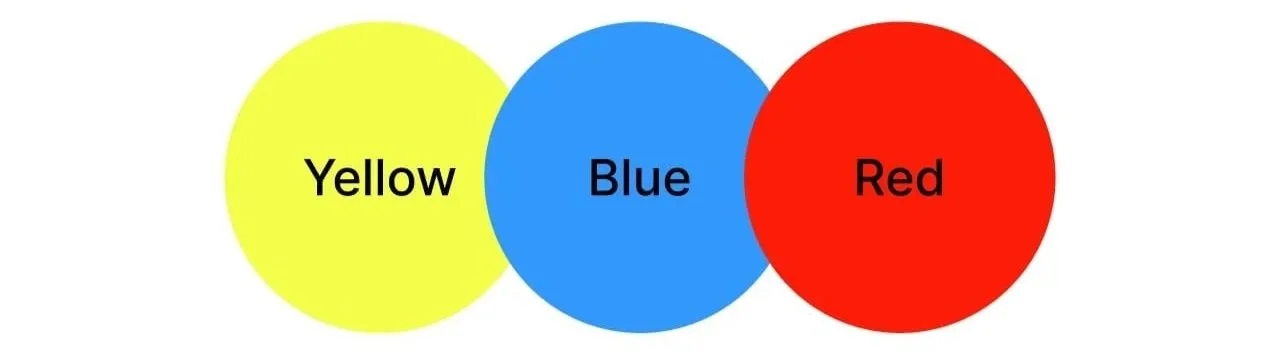
Now, your hair isn’t being rude or rebellious. All hair color is made up of three colors: blue, red, and yellow. Every shade of hair — whether it’s auburn, light brown, dark brown, or almost black — has all three of those colors inside it. The difference is the amount of each one. Blue is the biggest and strongest molecule, red is in the middle, and yellow is the smallest. Even though blue is powerful, it’s also the first one to leave the hair. So when color fades or hair is lightened, the cool tones disappear first and the warmth shows up like, “Hi, remember me?”
When we lighten your hair with bleach or permanent color, we’re not adding warmth. We’re exposing your natural warmth. Hair lifts in a very specific order, and it always does this whether we like it or not. If you start with dark hair, you’re going to see red first, then orange, then yellow, and finally pale yellow. That’s just how hair works. To get rid of warmth completely, you’d have to lift past pale yellow, and that’s where hair integrity starts to get compromised. I care way more about your hair staying healthy than forcing it past what it can handle.
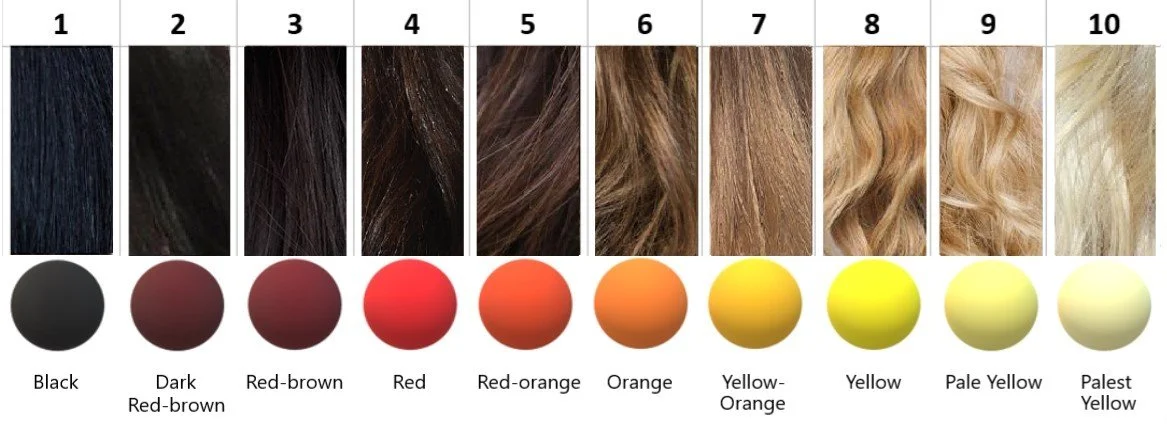
Underlying pigment
This is where toner comes in — and this is important — toner does not erase warmth. It doesn’t make it disappear forever. What it does is neutralize it, shift it, or slightly darken it so the warmth is balanced. The warmth is still there, it’s just being controlled. That’s why toner fades. Usually every six to twelve weeks, it needs to be refreshed. If you come back four months later without doing a toner in between and your hair is brassy, that’s not a surprise — that’s just how toner works.
Color theory is actually really simple once you see it. Yellow gets neutralized by purple, orange gets neutralized by blue, and red gets neutralized by green. So if you’re looking in the mirror and seeing yellow, you need purple shampoo. If you’re seeing orange, you need blue shampoo. If you’re seeing both, you can use both. One thing I always warn people about — if your hair is gold or yellow and you grab blue shampoo, blue and yellow make what…. green! So do not use blue shampoo if you are only seeing yellow! So unless green is the vibe, make sure you’re actually seeing orange before using blue shampoo. In order to be nuetralize it needs all 3 primary colors. Yellow is missing Red and Blue that is why you need purple because red and blue make purple. If you see orange it has red and yellow already so what does it need? Blue.
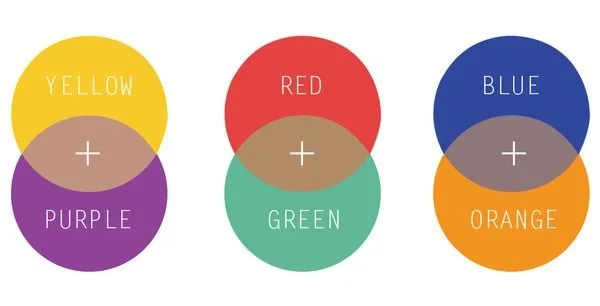
complimentary colors neutralize each other
Toning shampoo is amazing, but you can absolutely overdo it. If your hair starts looking dull, gray, muddy, or just kind of dingy, that’s usually a sign you’re using it too often. Professional toning shampoos have a higher dye load, so they work better, but they can stain your hands, so gloves are your friend if that bothers you. More toning isn’t always better — sometimes your hair just needs a break.
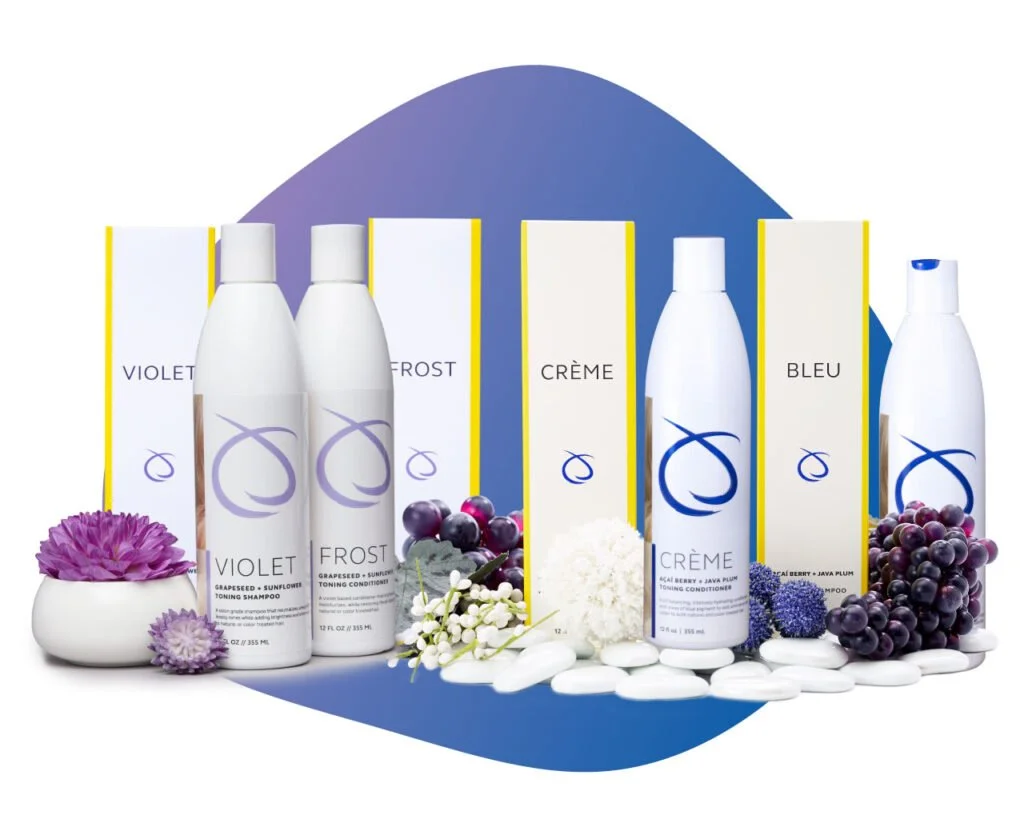
Available at LML
Heat is another big reason hair gets brassy, and it happens fast. Flat irons, curling irons, blow dryers, even sun exposure — all of that opens the cuticle and pulls those cool tones right out. I’ve seen brass show up after one use of a hot tool, especially on over-processed blondes who want to stay icy but aren’t using a heat protectant and are using heat every day. If you want cool-toned hair, heat protectant is non-negotiable.
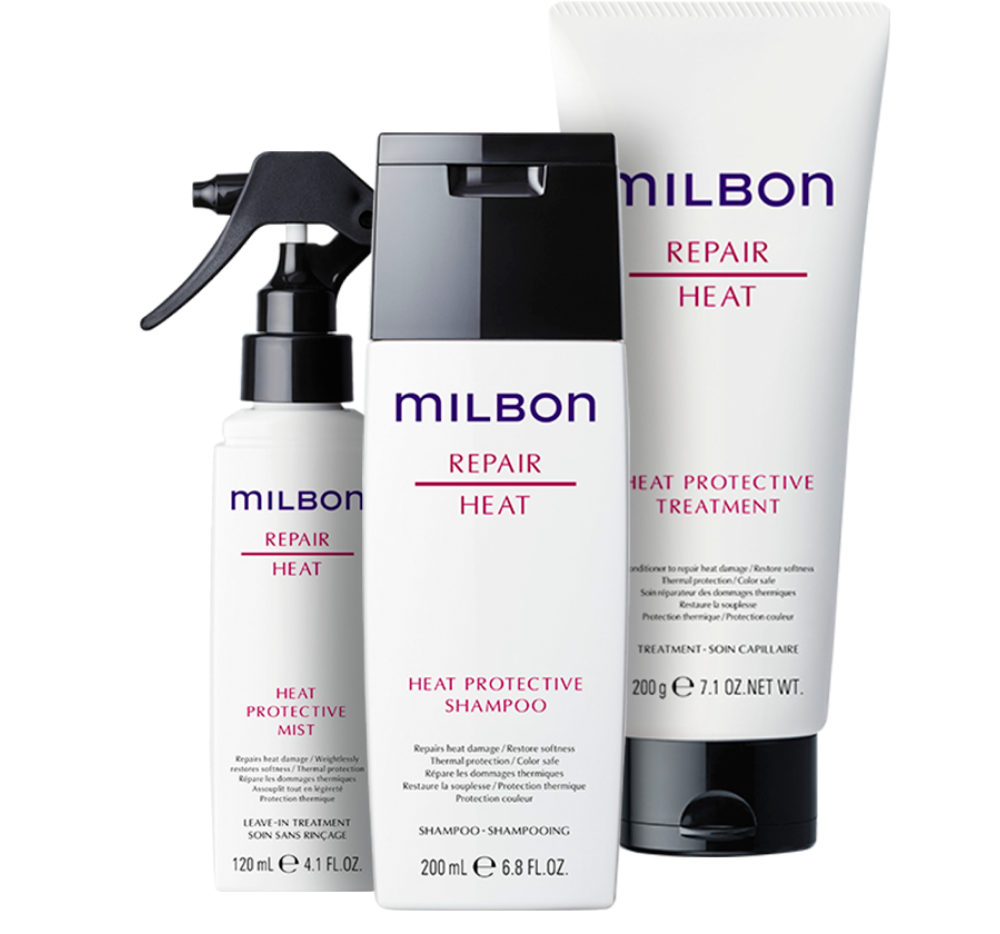
available at LML
If you really want to keep the brass under control, your best tools are toning shampoo and heat protectant. Those two things alone make the biggest difference. If you want your toner to last longer, we can also go a tiny bit darker with it. It might not be your favorite shade immediately, but overtone is real and it fades a lot prettier than brass. Coming in more often for toner refreshes, using heatless curls overnight, or just cutting back on heat will all help.
At the end of the day, brassy hair doesn’t mean your hair is ruined. It usually just means your toner faded and your natural warmth is showing. Warmth isn’t bad — it just needs management. So yes, Sassy Brassy happens. But now you know what’s going on, and we can actually do something about it.